


Millions of people wake up every single morning suffering from chronic neck pain, upper back stiffness, and tension headaches.
They blame their stress, their workspace, or their genetics.

Then, they spend hundreds of dollars buying thick, fluffy, "orthopedic" pillows, completely unaware that their luxury pillow is the exact tool causing their structural damage.
We are living in an epidemic of "text neck"
The severe forward head posture caused by staring down at smartphones and screens all day. But the real disaster happens at night. When you prop your head up on a thick pillow, you force your neck into that exact same broken angle for eight hours straight.
Your body cannot repair itself while your spine is locked in a physical compensation loop.
THE BIOMECHANICS OF THE HIGH PILLOW
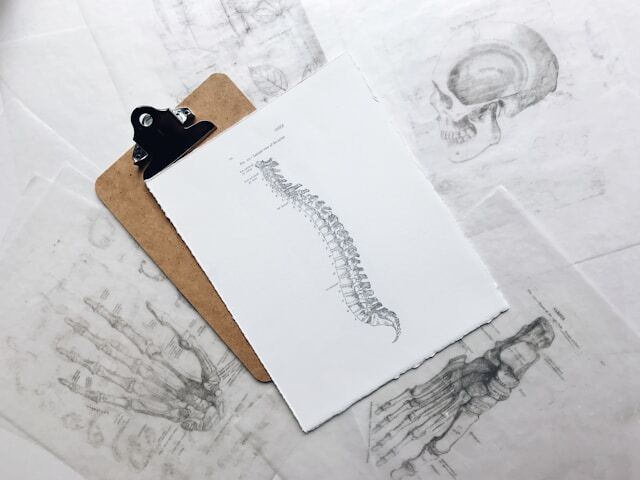
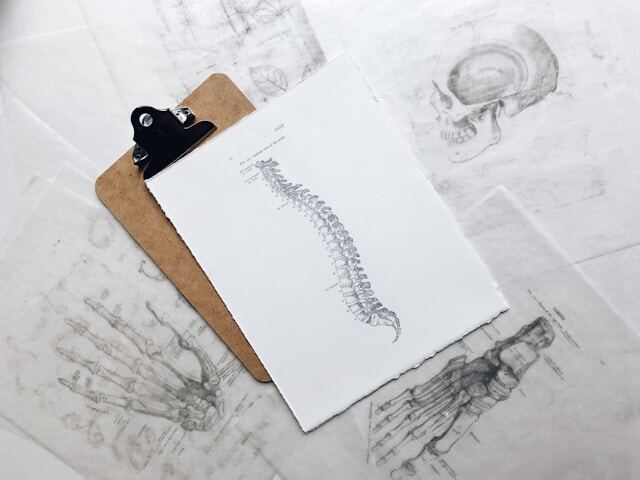
Your cervical spine consists of seven small, highly mobile vertebrae that possess a natural, gentle forward curve (lordosis). When you lay flat on your back, your mattress is engineered to support your torso, allowing your neck to drop into a neutral, relaxed alignment.
When you slide a thick pillow under your skull, the following structural chain reactions occur:
- The Constant Muscle Strain: A thick pillow forces your chin down toward your chest. This stretches and strains the deep muscles at the back of your neck (the suboccipitals and trapezius) all night long. Because these muscles are working to fight the angle, they never get to drop into deep rest. You wake up with chronic stiffness because your neck was effectively doing a workout while you slept.
- The Nerve and Vascular Pinch: Bending the neck at an artificial angle compresses the cervical joints and narrows the pathways where critical nerves and blood vessels travel to your brain. This restriction is a leading trigger for morning tension headaches, numbness or tingling in the fingers, and that stubborn, heavy "brain fog" baseline.
- The Respiratory Choke: Flexing your neck forward narrows your airway. This forces your respiratory system to work harder to pull in oxygen, leading to shallower breathing, louder snoring, and a higher heart-pulse rate during sleep because your lungs are fighting for voltage.
THE ZERO-PILLOW SOLUTION: RECLAIMING ALIGNMENT
For the vast majority of back sleepers, sleeping completely flat on the bed without a pillow, or switching to an ultra-flat cushion, is the superior way to eliminate neck strain.
[ HIGH PILLOW SLEEP ] ──► Mimics "Text Neck" ──► Compresses Cervical Nerves ──► Morning Headaches
                                                                                       │
                                                                                       ▼ (The Flat Reset)
[ ZERO PILLOW SLEEP ] ◄── Restores Core Jing ◄── Opens Respiratory Airway  ◄── Symmetrical Spine
Transitioning away from a thick pillow allows gravity to naturally pull your shoulders open and let your cervical vertebrae drop back into their true home baseline. This simple self-care pivot delivers immediate physiological benefits:
- Flattens the Spine: It removes the forward torque on your neck, allowing your upper back and shoulder blades to rest flat against the mattress in absolute horizontal symmetry.
- Opens the Airway: With the head level, your throat and airway remain fully open, allowing for deep, peaceful, and un-throttled oxygen capture.
- Clears Muscle Cache: The deep neck muscles can finally drop 100% of their tension, ending the morning jaw-clenching and neck tightness.
ACTIONABLE SELF-CARE REMEDIES FOR THE TRANSITION
If your body is deeply accustomed to thick pillows, moving straight to zero pillows can feel intense on night one because your tissue armor has adapted to being bent. Use these simple steps to safely guide your system back to a level plain:
- The Rolled Towel Trick: Instead of placing a pillow under your head, take a small hand towel, roll it into a tight cylinder, and slide it directly under the hollow curve of your neck while your skull rests flat on the mattress. This supports the natural structural bone curve without pushing your head forward.
- The Gradual Downstep: If you are nervous about going flat, switch to a flat, low-profile cushion first. Spend one week on a thin cushion to let your deep tendons stretch out before pulling it away entirely to sleep flat on the bed.
- The Side-Sleeper Cushion Lock: If you naturally roll onto your side, your shoulder creates a physical gap between your head and the mattress. In this position only, you need a thin pillow that matches the exact width of your shoulder to keep your head from tilting downward, keeping your spine straight from your crown to your tailbone
NAVIGATING YOUR ALIGNMENT TRANSITION WITH QiKiSol
"Be patient with your hardware as it remembers its natural baseline."
🌐Doc Peter Melton
Contact Me